Real animal encounters, recorded by science cameras.
Deep-sea robots and trail cameras record things nobody planned to film. Each case file shows what the camera caught, why scientists cared, and what is still unknown. Every fact is linked to its source.
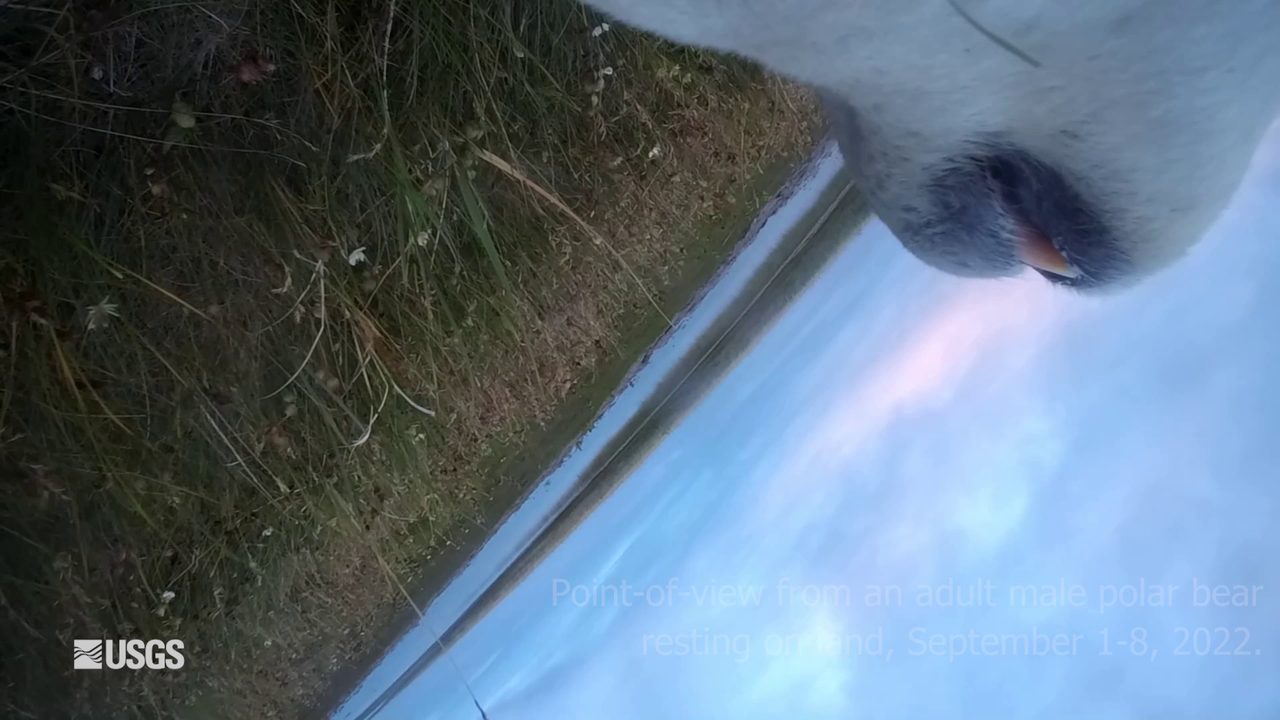
One Polar Bear Rested 98% of the Time. Another Walked 330 Kilometers. Both Lost Weight.
USGS collar cameras followed 20 bears through the ice-free summer in Manitoba. The two extremes, a bear that barely moved and a bear that never stopped, are the study's clearest result.
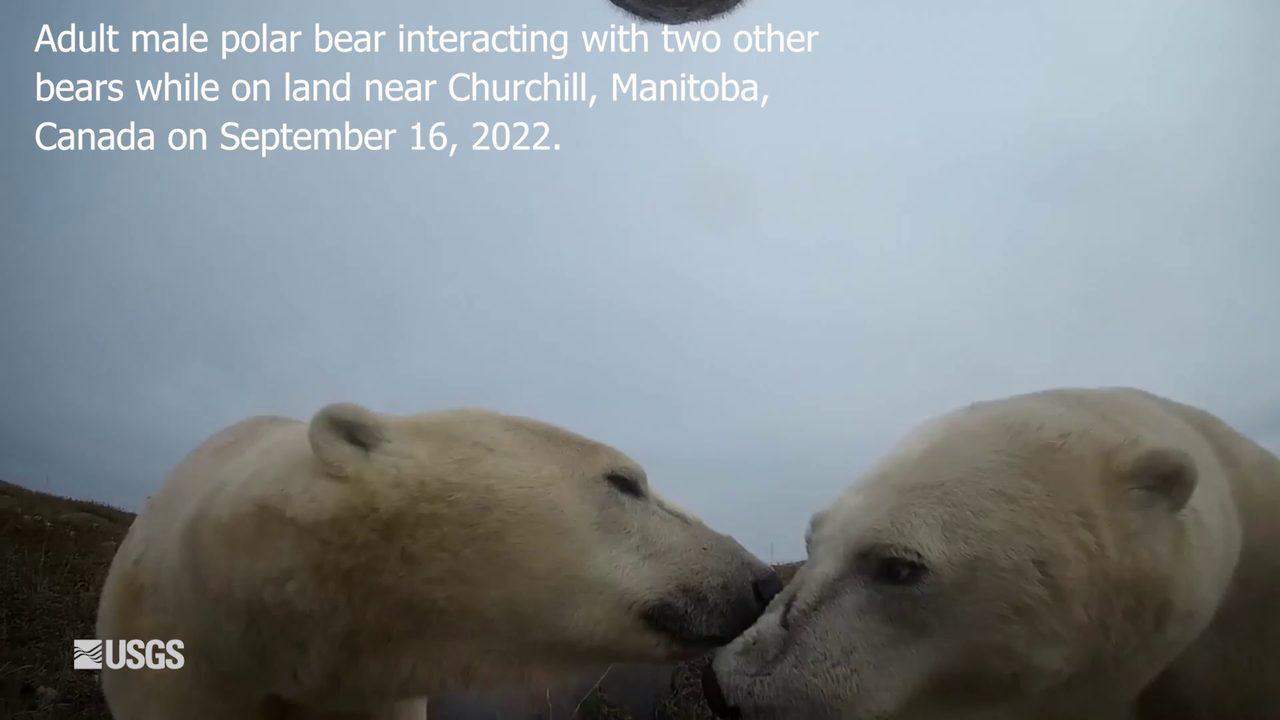
A Camera on One Polar Bear Caught Two More Greeting Him Nose to Nose
On September 16, 2022, a collar camera on an adult male near Churchill, Manitoba, recorded him meeting two other bears on land. USGS published the clip; the scientists' own question was how much energy bears burn on shore.
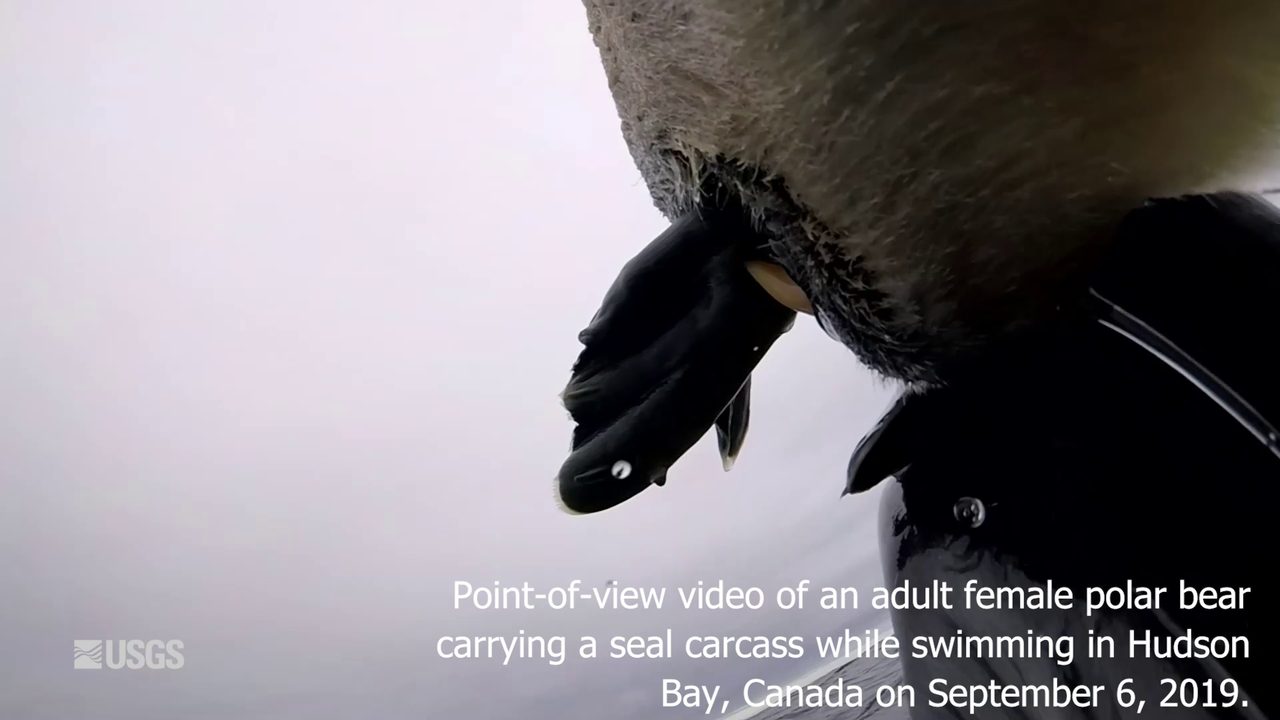
A Polar Bear Swam With a Seal Carcass in Its Mouth. The Camera Shows It Could Not Eat It.
In September 2019 a collar camera recorded a female polar bear swimming in Hudson Bay with a dead seal. The study's findings on swimming bears explain why this was not the windfall it looks like.
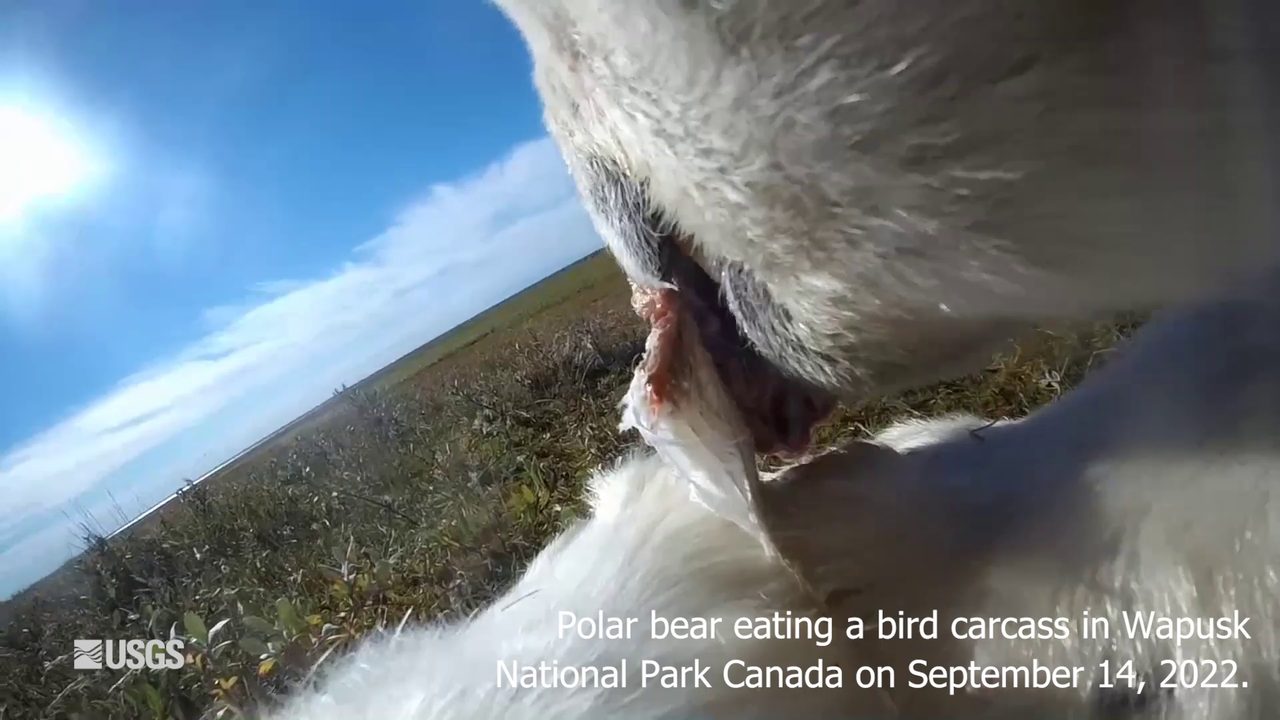
No Sea Ice, No Seals: A Polar Bear's Collar Camera Caught It Eating a Dead Bird
In September 2022, a camera on a polar bear's collar in Manitoba recorded what the animal does when its main food is out of reach. It scavenges, and it was not enough.
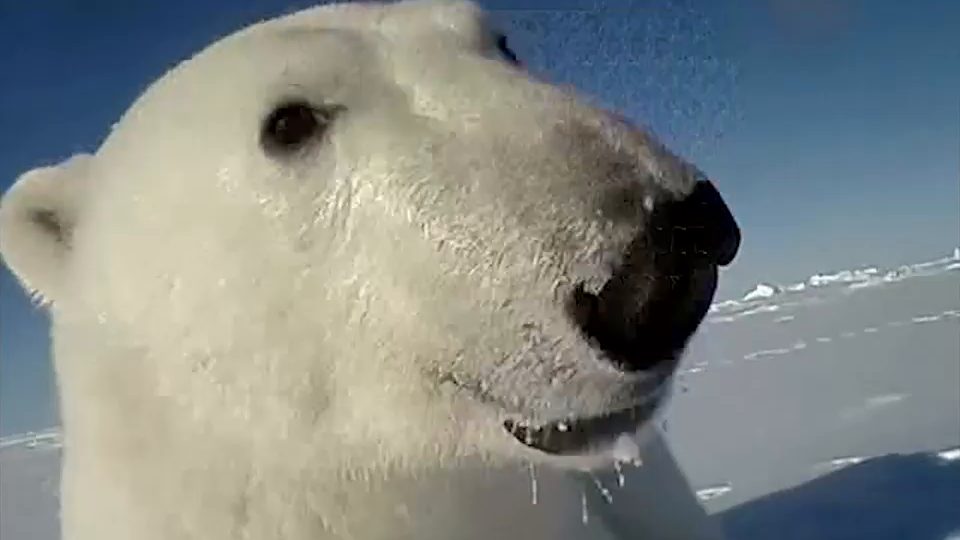
A Second Polar Bear Walked Up to One Wearing a Camera and Looked Straight Into the Lens
The collar camera was there to record how a female polar bear spends her days. On April 12, 2014, it recorded who came to see her.
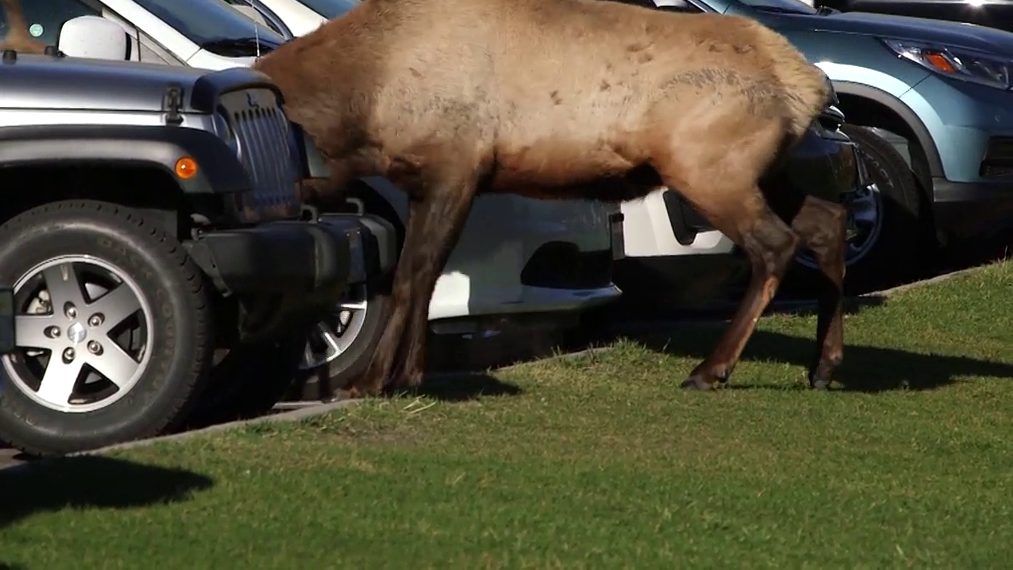
A 700-Pound Bull Elk Worked His Way Down a Row of Parked Cars
Every fall at Mammoth Hot Springs in Yellowstone, bull elk in the rut turn on vehicles. The National Park Service filmed it.
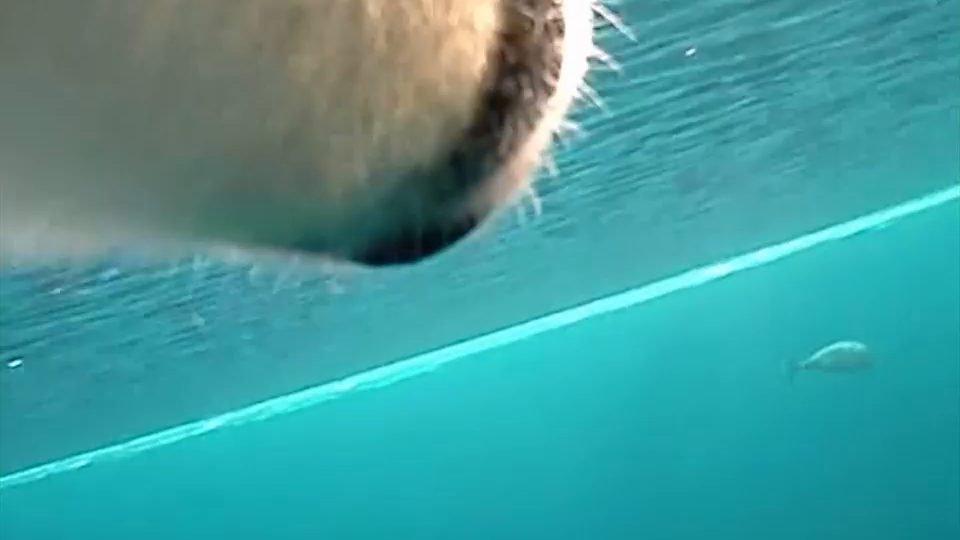
A Polar Bear Wearing a Camera Went Under the Sea Ice. Then There Was Blood on the Snow.
In April 2014, scientists fitted four female polar bears off Alaska with video collars. It was the first time anyone had seen the sea ice from a polar bear's point of view.
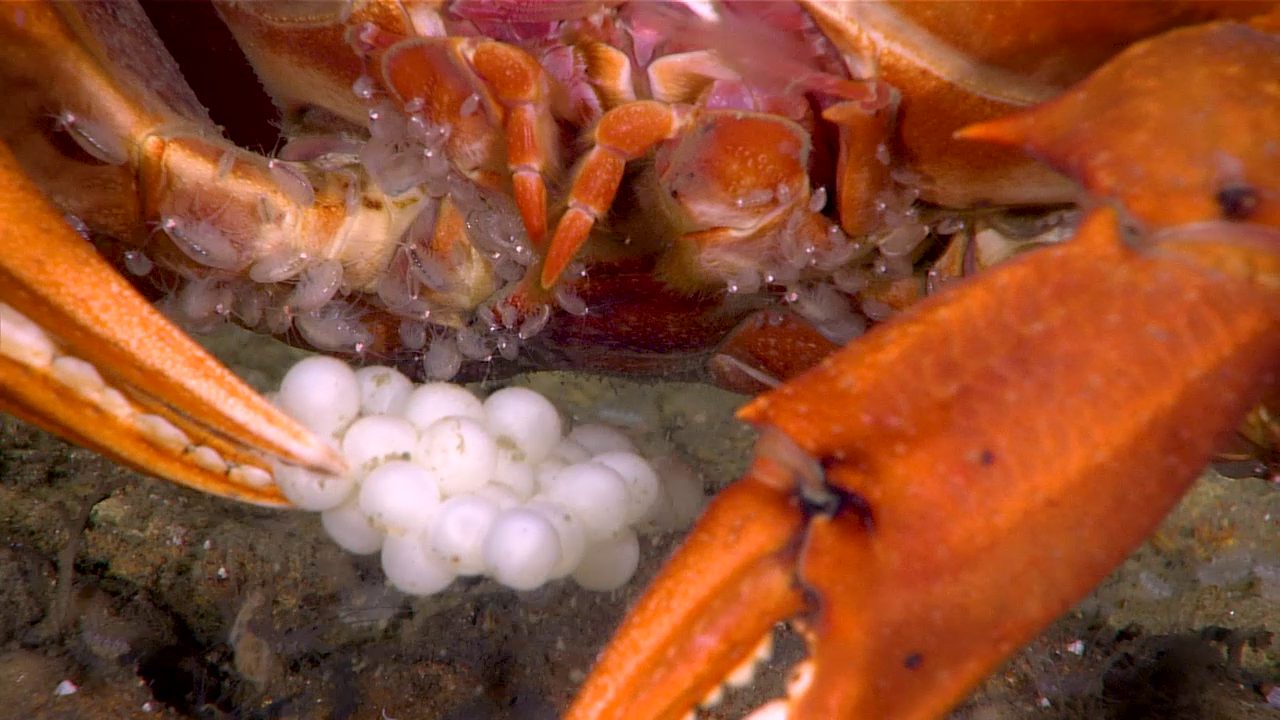
Hundreds of Fish Eggs, No Parent in Sight, and One Deep-Sea Crab
On a canyon wall off North Carolina, a NOAA robot stopped at a white patch on a rock. It was a nest, and something had found it first.
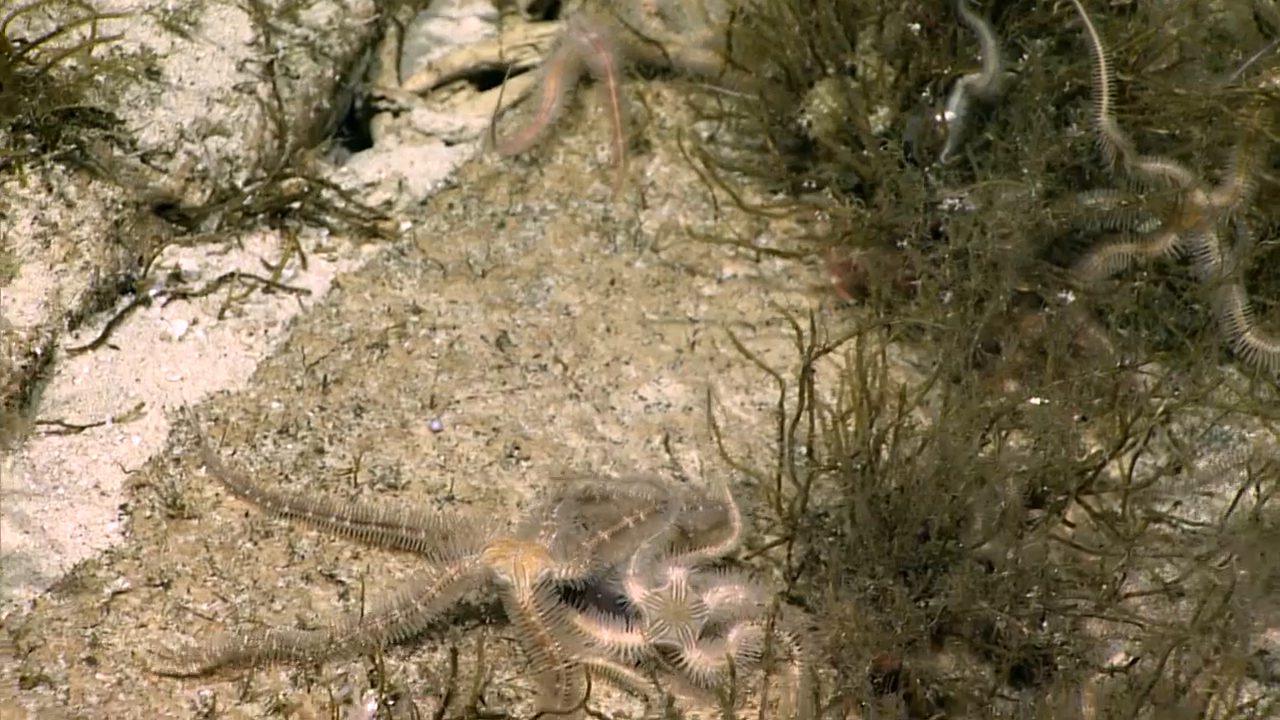
Brittle Stars Were Supposed to Be Scavengers. Then They Caught a Squid.
Off Jarvis Island in the Pacific, a NOAA robot filmed seafloor animals taking a swimming squid out of the water and fighting over it.
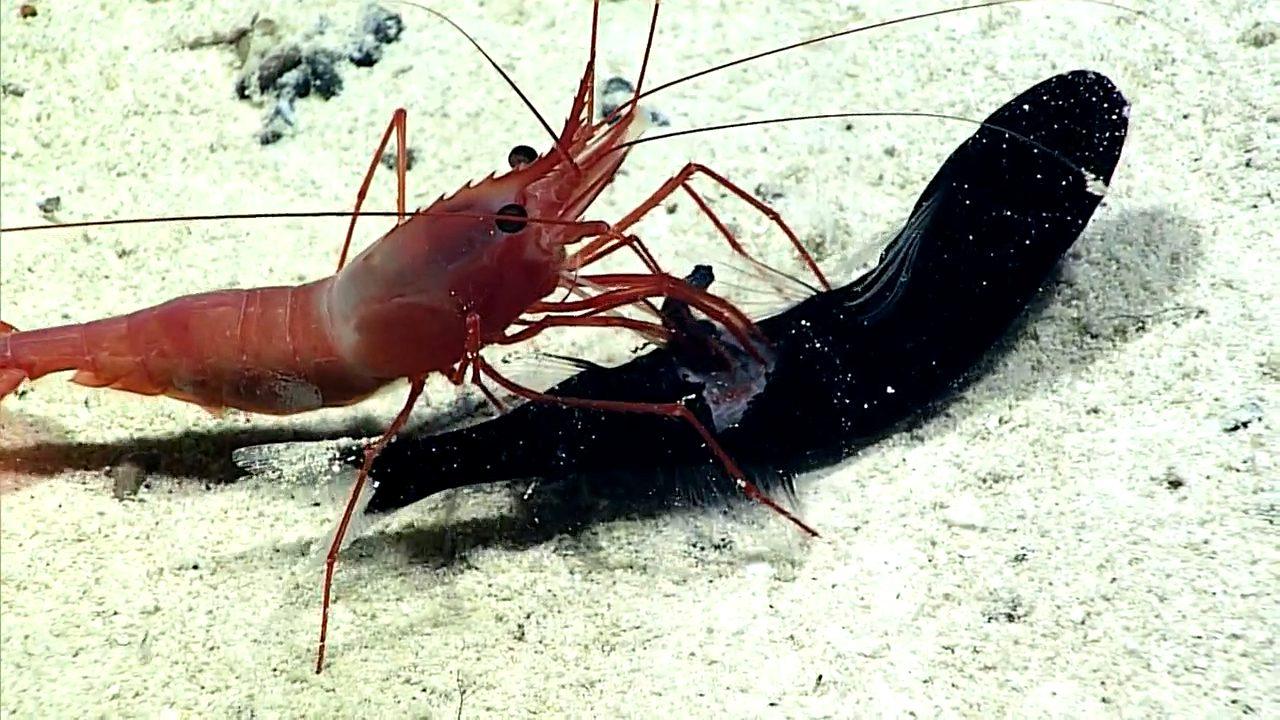
A Deep-Sea Shrimp Was Filmed Eating a Dragonfish That Was Still Alive
Shrimp like this were thought to be scavengers. Nearly a kilometer down on a Pacific seamount, a NOAA robot found one on top of a living fish.
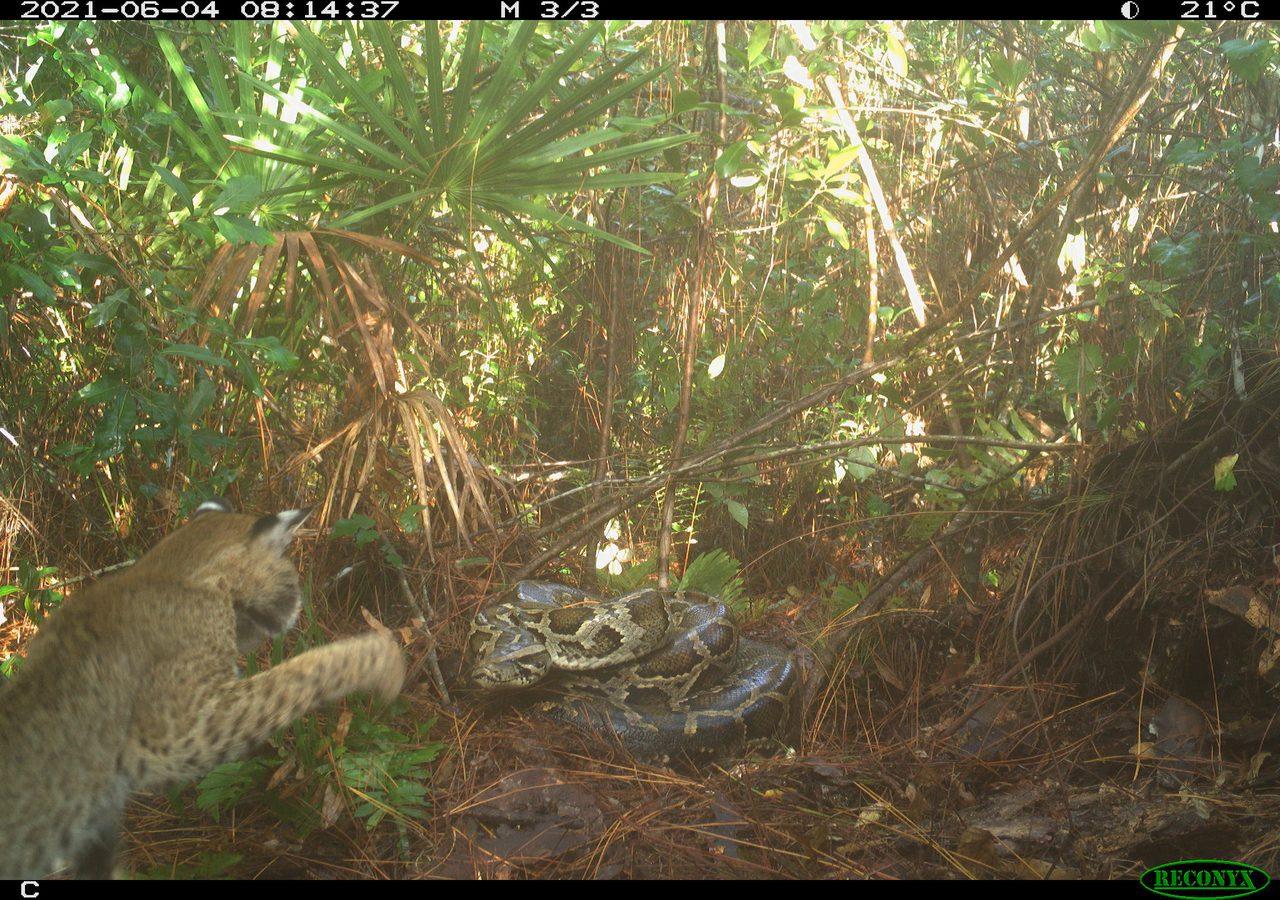
A Bobcat Raided a 14-Foot Python's Nest, Then Came Back to Face Her
A trail camera in Florida's Big Cypress National Preserve recorded the first known case of a native animal eating Burmese python eggs. Then the snake came home.
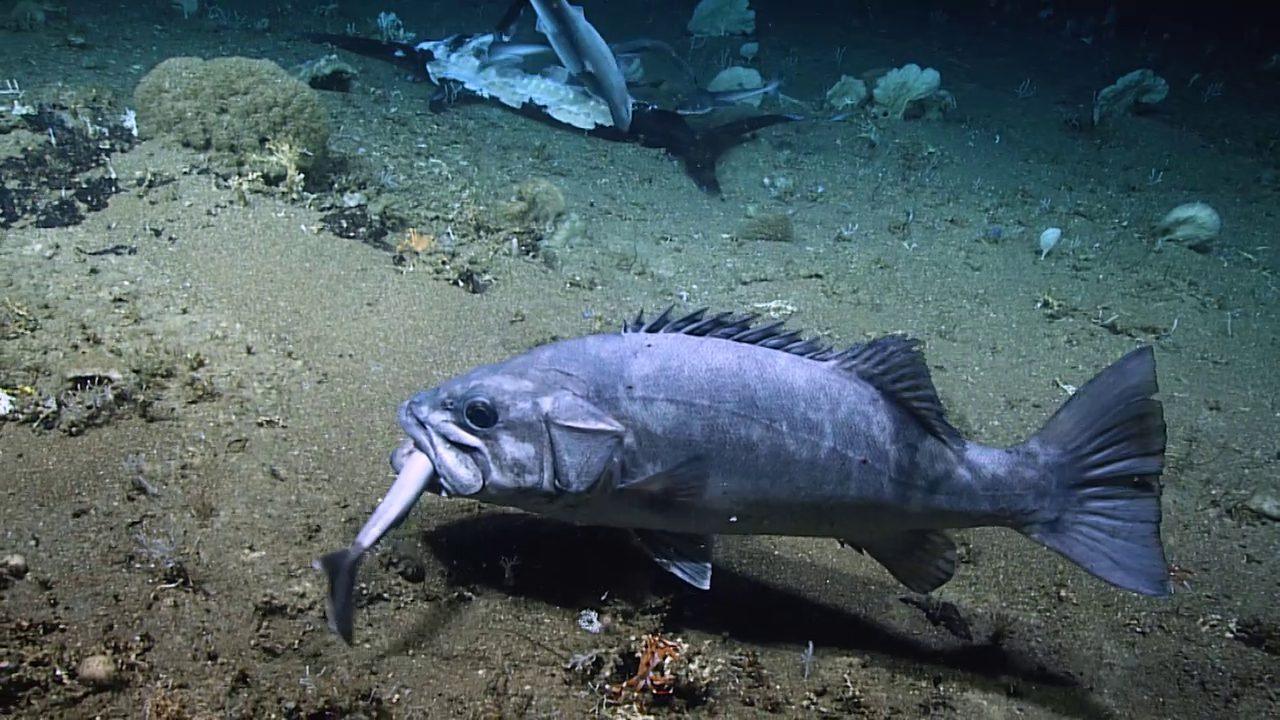
A Wreckfish Swallowed a Shark Whole While Eleven Others Were Busy Eating
A NOAA robot went looking for a shipwreck off South Carolina. It found a dead swordfish, a crowd of deep-sea sharks, and a much bigger fish using the robot as cover.