A Polar Bear Wearing a Camera Went Under the Sea Ice. Then There Was Blood on the Snow.
In April 2014, scientists fitted four female polar bears off Alaska with video collars. It was the first time anyone had seen the sea ice from a polar bear's point of view.
In April 2014, scientists from the U.S. Geological Survey fitted four female polar bears on the sea ice north of Prudhoe Bay, Alaska, with collars that carried video cameras. They had tried the year before with two cameras and got nothing: the batteries could not handle Arctic temperatures.
This time the cameras worked. USGS described the result as the first point-of-view video from a polar bear on Arctic sea ice. Each collar stayed on for about eight to ten days, and every frame carries the camera's own date and time.
What the camera recorded
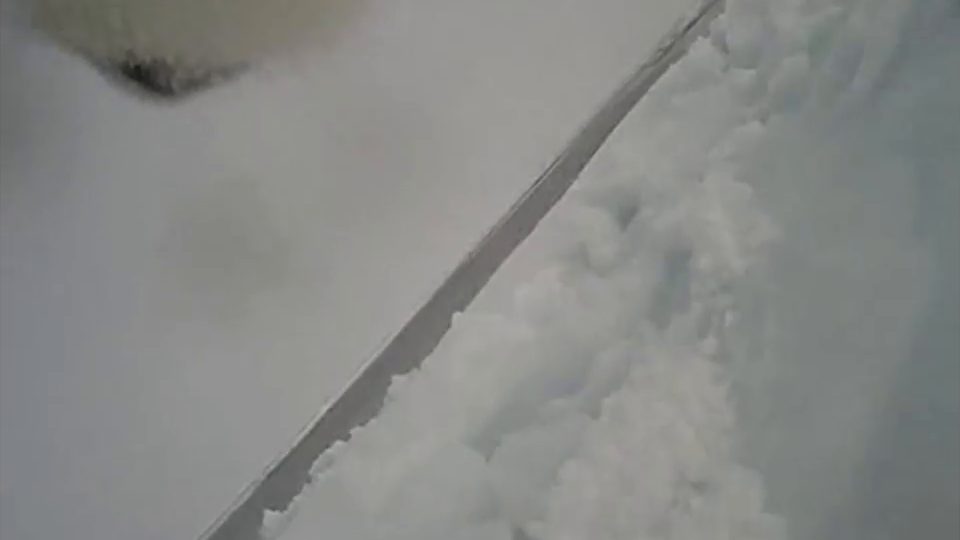
- April 14, 10:20 a.m. The bear is at the edge of the ice, her chin just above open water.
- 10:52 a.m. She is walking along a crack in the ice.
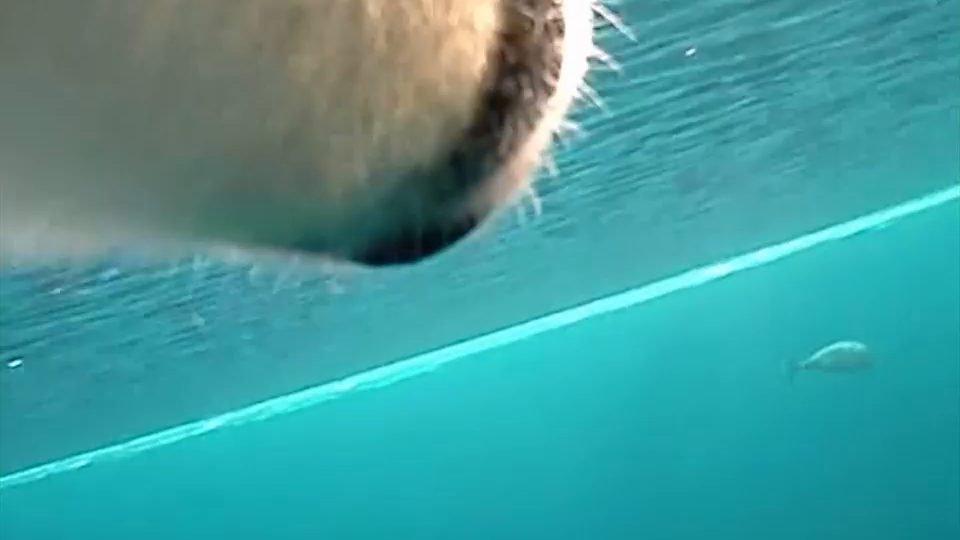
- 12:04 p.m. The picture turns blue-green. She is under water.
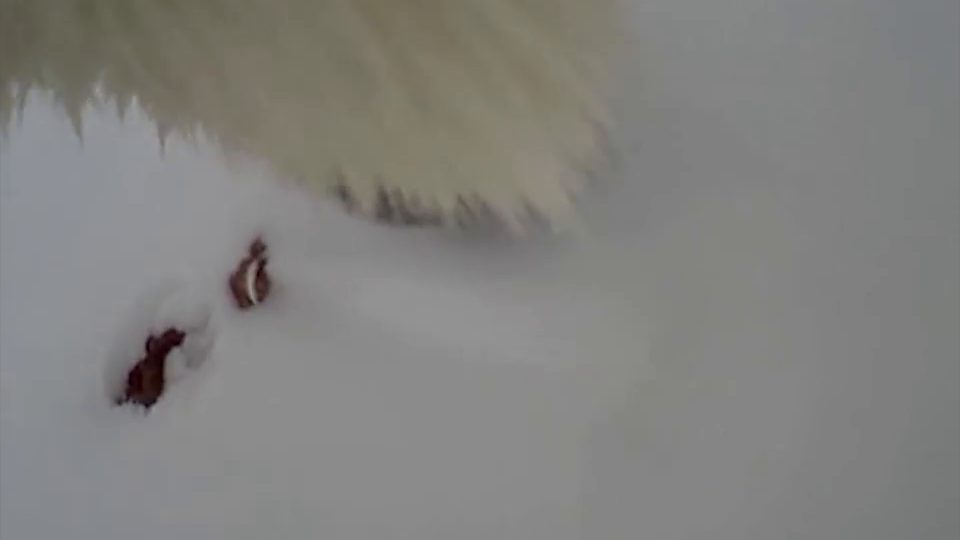
- 12:05 p.m. She is back on the surface, and there are spots of blood on the snow in front of her.
- 12:12 p.m. A seal is lying under her muzzle. She has started to eat.
The camera did not record the catch itself. It shows the minutes before and the minutes after.
Why scientists cared
Before these cameras, most of what was known about polar bear behavior on the sea ice came from direct observations made more than 40 years earlier by the biologist Ian Stirling, and from Indigenous residents of the coast. A collar camera linked to GPS shows what a bear is doing at each place she goes: hunting, eating, resting, walking or swimming.
USGS biologist Anthony Pagano led the study, which put cameras on solitary adult females in April of 2014, 2015 and 2016. The results were published in the journal Science in 2018. Polar bears turned out to be sit-and-wait predators whose day-to-day life costs about 60 percent more energy than scientists had assumed. The team also estimated how many seals a bear has to eat to survive.
What nobody knows yet
How these bears will cope as the ice changes. USGS says that with sea ice available for less of the year, catching seals may get harder, and that bears may have to move more and burn more energy. That part is a projection from related research, not something the cameras recorded.
How this was recorded
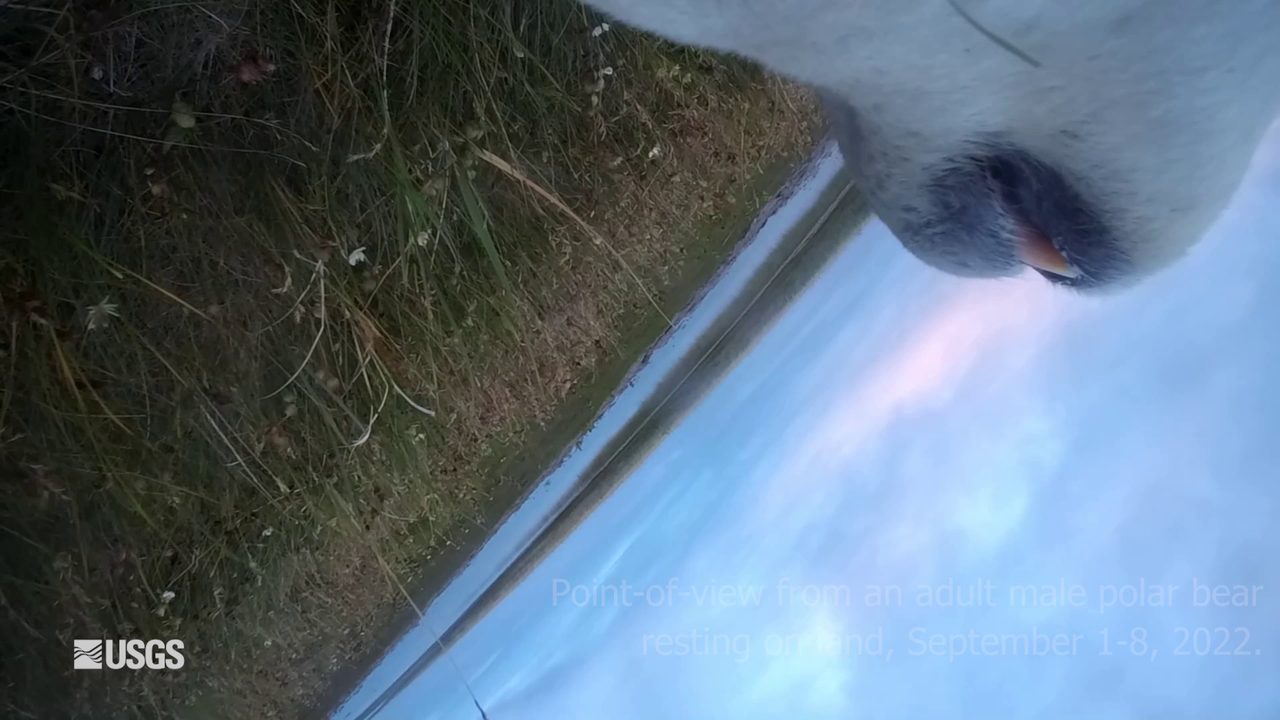
The camera sat on a collar around the bear's neck and looked forward past her chin, which is why her fur fills the top of many frames. The first video USGS released, in 2014, used camera technology developed by the videographer Adam Ravetch with support from the World Wildlife Fund. USGS lists the footage as public domain.
Next case file 007 →A 700-Pound Bull Elk Worked His Way Down a Row of Parked CarsThe record
- Date
- April 14, 2014
- Location
- Sea ice north of Prudhoe Bay, Alaska (Beaufort Sea)
- Depth / setting
- On and under the sea ice
- Camera
- USGS video collar on a free-ranging female polar bear
- Animals
- Polar bear (Ursus maritimus); seal
- Footage
- U.S. Geological Survey
- Rights
- Public domain
Sources
- U.S. Geological Survey news release, June 6, 2014
- U.S. Geological Survey, "Polar Bears Film Their Own Sea Ice World" (February 1, 2018)
- U.S. Geological Survey, collar camera footage 2014-2016
Published 2026-11-15 · Corrections: contact@wildevidence.com